Bio Cape Town
  • Home
  • Services
  • About Us
  • Blog
  • Contact Us
  • Menu Menu

Why Understanding Human Anatomy Matters for Biokineticists

October 29, 2026/0 Comments/in Body Strength, Health tips/by BCT-Admin

A client walks into a biokineticist’s practice complaining of knee pain. The obvious place to start might seem to be the knee itself. But what if the real problem is weakness in the hip muscles, limited ankle mobility or the way the client moves when they walk?

This is where a thorough understanding of human anatomy becomes invaluable.

For biokineticists, knowing how the body is put together is only part of the picture. The real skill lies in understanding how its different structures work together, how movement affects them and what happens when something isn’t functioning as it should.

With the development of interactive 3D anatomy tools, practitioners now have another way to explore these relationships, making complex anatomical structures easier to understand, explain and apply in practice.
Why Understanding Human Anatomy Matters for Biokineticists

Why Anatomy Is at the Heart of Biokinetics

Biokinetics is built around movement. Whether someone is recovering from an injury, managing a chronic condition or working towards better physical performance, the goal is to help their body function as effectively as possible.

But prescribing the right exercises isn’t simply a matter of identifying a weak muscle and finding a way to strengthen it.

A biokineticist needs to understand which muscles are involved in a movement, how the surrounding joints behave and how one part of the body might compensate when another isn’t working properly.

Take lower back pain, for example. A client might experience discomfort in their lumbar spine, but the contributing factors could include reduced hip mobility, poor trunk control or weakness in the muscles supporting the pelvis.

Without a sound understanding of anatomy, it’s easy to focus too narrowly on the painful area rather than looking at the bigger picture.

Anatomical knowledge helps practitioners ask better questions, interpret movement more accurately and develop rehabilitation programmes that address the client’s individual needs.

The Body Doesn’t Work in Isolation

One of the most fascinating things about human movement is how interconnected everything is.

When you walk, run or bend down to pick something up, dozens of muscles and joints work together. Some generate movement, others provide stability, and many do a bit of both.

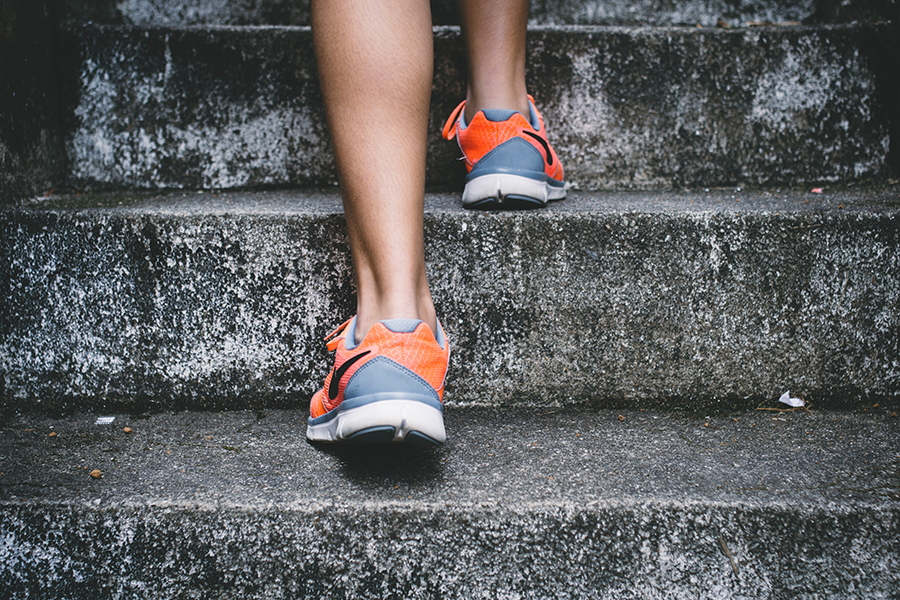
Consider something as ordinary as climbing stairs.

Your quadriceps help straighten your knee, your glutes contribute to hip extension and stability, and your calf muscles assist with movement at the ankle. Meanwhile, the muscles around your trunk help keep you balanced.

If one of these areas isn’t functioning well, other structures may have to work harder or move differently to compensate.

For a biokineticist, recognising these relationships is essential. It allows them to investigate why a movement feels difficult or uncomfortable rather than simply treating the area where symptoms appear.

And this is precisely where a strong anatomical foundation makes a difference.

Seeing Anatomy in Three Dimensions Changes the Learning Experience

Most healthcare professionals begin learning anatomy through textbooks, diagrams and illustrations. These remain valuable resources, but they have an obvious limitation: the human body isn’t flat.

Muscles overlap. Tendons pass around joints. Nerves travel between layers of tissue. Understanding how these structures relate to one another can be difficult when you’re looking at a two-dimensional image.

Interactive anatomical models help bring those relationships into focus.

Instead of trying to imagine how a muscle wraps around a bone, a biokineticist can rotate a digital model, examine it from different angles and explore the surrounding structures.

Take the shoulder, for example.

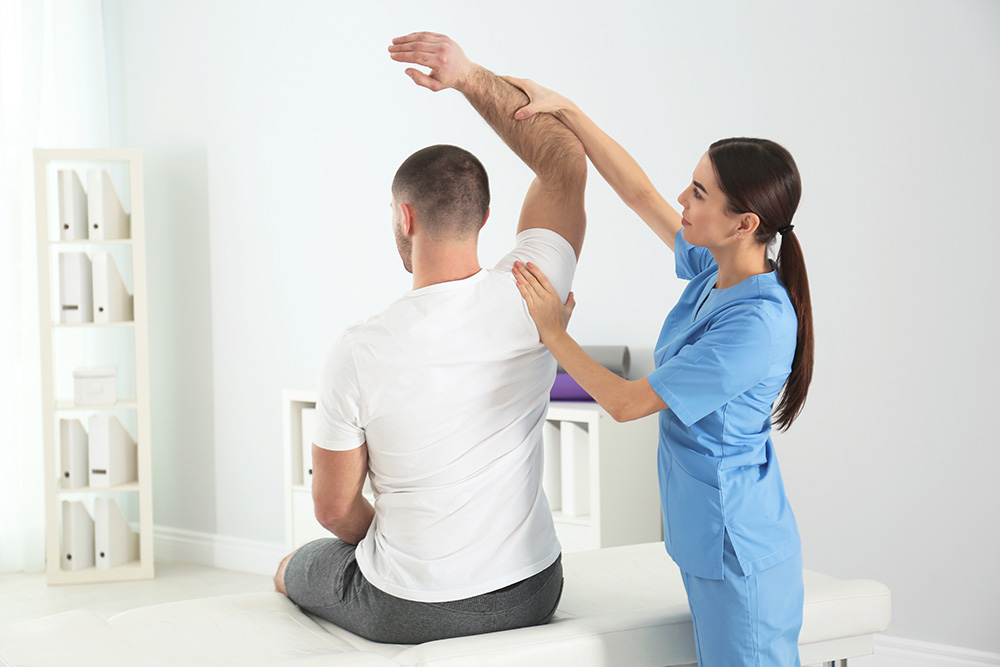
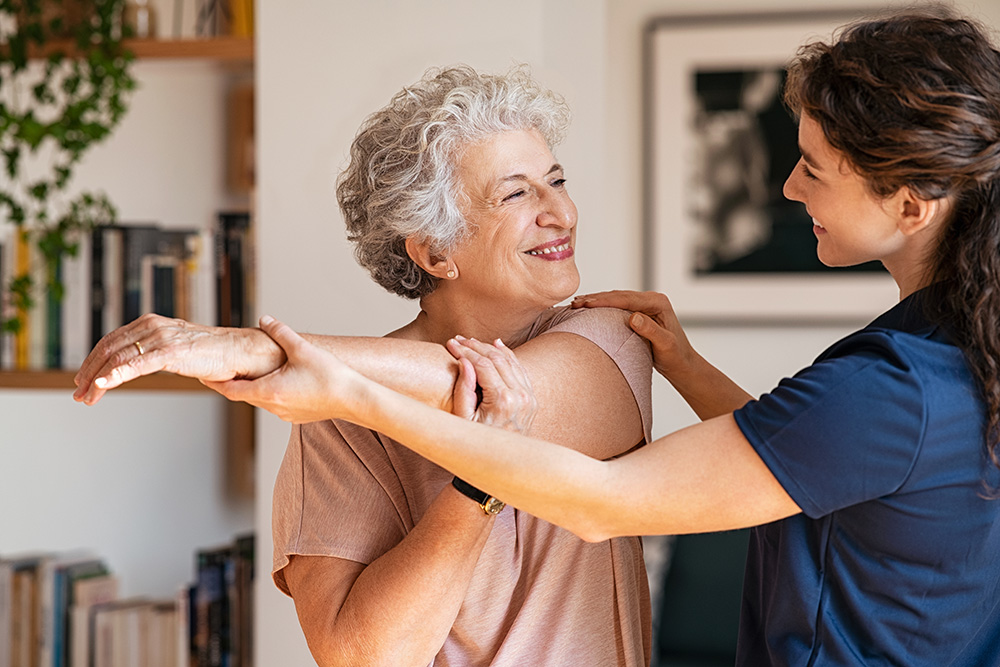
The rotator cuff consists of four muscles that help stabilise and move the shoulder joint. Memorising their names and attachment points is one thing. Understanding how their positions influence movement, and how they interact with other muscles around the shoulder, is something else entirely.

Being able to explore these structures visually can make anatomical concepts easier to grasp and remember.

It’s particularly useful for complex areas such as the shoulder, spine, pelvis and knee, where multiple structures interact within a relatively small space.
Why Understanding Human Anatomy Matters for Biokineticists

From Anatomical Knowledge to Better Rehabilitation

Knowing anatomy is important, but knowing how to apply it is what makes that knowledge useful.

When a biokineticist assesses a client, they’re looking at more than just muscle strength. They’re considering joint mobility, coordination, stability, movement patterns and the client’s ability to perform everyday activities.

Imagine a runner who repeatedly develops discomfort around the knee.

Rather than automatically prescribing knee-strengthening exercises, the practitioner might assess hip control, ankle mobility and running mechanics.

If the assessment identifies weakness or movement limitations elsewhere, the rehabilitation programme can be adapted accordingly.

This approach relies on understanding how anatomical structures influence movement.

It also helps practitioners make informed decisions about exercise selection, technique and progression. An exercise that’s appropriate during the early stages of rehabilitation may need to change as the client’s strength and movement control improve.

Of course, anatomical knowledge is only one part of effective treatment. Clinical assessment, medical history, current research and the client’s individual circumstances all play an important role.

Helping Clients Understand What’s Happening in Their Bodies

There’s another benefit to visual anatomical models that’s sometimes overlooked: they make it easier to communicate with clients.

Most people don’t have a detailed understanding of their muscles, joints or connective tissues. They know where something hurts, but they may not understand why a particular exercise has been prescribed.

Imagine explaining to someone that strengthening their gluteus medius may help improve hip stability and control of the lower limb.

For someone unfamiliar with anatomy, that explanation might not mean very much.

Now imagine showing them where the muscle sits, how it connects to the pelvis and femur, and what role it plays when they stand on one leg.

Suddenly, the exercise has a clearer purpose.

Clients who understand what they’re working on, and why, may feel more confident about participating in their rehabilitation.

It can also help turn an exercise programme from a collection of instructions into something the client understands and takes ownership of.

Understanding Movement Through Anatomy and Biomechanics

Anatomy and biomechanics go hand in hand.

Anatomy tells us what structures are present and how they’re arranged. Biomechanics helps explain how those structures move and respond to forces.

For biokineticists, understanding both is essential.

Consider a squat. It’s a relatively simple exercise, yet it involves coordinated movement through the hips, knees and ankles, along with control of the trunk.

If someone has limited ankle mobility, they may change the way they squat. Their heels might lift, their trunk might lean further forward or their movement might become restricted.

A biokineticist who understands the anatomy of the ankle, knee and hip can investigate these changes and decide whether adjustments or targeted exercises would be helpful.

The same principles apply to walking, running, lifting and countless other movements.

Digital anatomical models can support this understanding by helping practitioners visualise the structures involved. They don’t replace hands-on assessment or professional judgement, but they provide a useful way to connect anatomical theory with the movements seen in practice.

How Technology Is Changing the Way Biokineticists Learn

Anatomical knowledge isn’t something a healthcare professional learns once and never revisits.

Even experienced practitioners regularly return to anatomical references, particularly when working with unfamiliar conditions, reviewing complex movement patterns or refreshing their understanding of a particular structure.

Digital learning tools have made this process considerably more accessible.

Rather than searching through several textbook illustrations to understand the relationship between two structures, practitioners can explore an interactive model and examine the area from multiple perspectives.

For students, this can help make difficult anatomical concepts more approachable. For qualified biokineticists, it offers a practical reference that can be used to reinforce existing knowledge.

The ability to explore 3D anatomy also creates opportunities for more engaging client education, allowing practitioners to explain the structures involved in an injury or rehabilitation programme in a way that’s easier to follow.

The technology doesn’t replace years of study or clinical experience. It simply gives practitioners another way to build on that knowledge.

Better Understanding Leads to Better-Informed Care

The human body is remarkably adaptable, but it’s also complex. A seemingly simple movement can involve numerous muscles, joints and supporting structures working together.

For biokineticists, understanding these relationships is fundamental to their work.

It helps them look beyond the immediate symptoms, recognise potential contributing factors and develop exercise programmes that reflect how the body actually moves.

Three-dimensional anatomical models add another layer to that understanding. They make it easier to explore structures, appreciate their relationships and communicate complex ideas to clients.

Ultimately, good biokinetics isn’t just about knowing which exercises to prescribe. It’s about understanding the body well enough to know why those exercises matter, when they’re appropriate and how they can help someone move and function better.

And the deeper that understanding becomes, the better equipped a practitioner is to provide thoughtful, individualised care.

https://biokineticistcapetown.co.za/wp-content/uploads/2026/10/Why-Understanding-Human-Anatomy-Matters-for-Biokineticists-3.jpg 667 1000 BCT-Admin https://biokineticistcapetown.co.za/wp-content/uploads/2019/10/BIO-LOGO.jpg BCT-Admin2026-10-29 13:08:142026-10-29 13:10:20Why Understanding Human Anatomy Matters for Biokineticists
Top Shoulder Mobility Exercises, Biokineticist Cape Town

Top Shoulder Mobility Exercises

June 17, 2024/0 Comments/in Body Strength, Health tips, Training/by BCT-Admin

Shoulders tend to give trouble as a person gets older and older.

This is why it’s important to take action and implement high-quality shoulder mobility exercises.

Here are the best shoulder mobility exercises and what makes them useful.

1) Shoulder Controlled Articular Rotation

Top Shoulder Mobility Exercises, Biokineticist Cape Town

This is a fascinating exercise and can offer tremendous results as soon as it’s performed.

In general, the exercise involves optimally moving the shoulder joint to maximize its full range of motion. This makes it easier to activate the stabilizers in this part of the body and make sure it remains flexible. This can also improve joint health.

To do this the right way, it’s important to begin in a straight line and make sure the body is still. From this position, lock the abs, squeeze the glutes, squeeze the fist, and release the shoulder.

For the movement, it’s important to make sure the arm remains up. From this position, shrug up while trying to turn the palm downwards. This will rotate the arm. While doing this, it’s important to make sure the arm remains in the same position during the movement. As soon as the hip is reached, the palm needs to look away from the body. At this point, go back to the start point by going in the opposite direction.

2) Floor Slides

Floor slides are an underrated should mobility exercise and can do great things when it comes to increasing flexibility in the joint.

To begin the movement, it’s time to lie down with the hips/knees at a 90-degree angle. The lower back should remain in contact with the ground while the abs are fully locked. The goal is to make sure the arms are in contact with the ground while the elbows are set at a 90-degree angle.

For the movement, it’s all about trying to slide the arms up and down without lifting them off the ground. It’s almost like a football umpire calling a “touchdown” after a player scores. The same movement is being completed except on the person’s back.

It’s important to note, the movement only works when the person is pushing down with his/her forearms. It’s not just about sliding the forearms. There has to be a small amount of force down on the ground too.

3) Swimmers Hovers

Top Shoulder Mobility Exercises, Biokineticist Cape Town

Swimmers tend to have great shoulders and it’s time to mimic what they do best.

For the starting position, it’s time to lie down on the ground facing down and put the hands behind the head.

From this position, a person will want to squeeze the shoulder blades and try to bring the elbows up as high as the can. The goal is to straighten from this position to create a “Y” with the hands. From here, it’s time to push the arms back while the palms remain upwards. Bring the arms down until they are in contact with the torso. It’s similar to mimicking a swimmer in the water as they are looking to complete their stroke to move forward.

Once the elbows are resting on the ground, the rep has been completed.

Now it’s time to do a few more to get full value from the exercise.

These are some of the best shoulder mobility exercises to keep in mind. Each exercise offers something unique when it comes to improving the shoulder’s flexibility and general ability to move.

Over time, it becomes difficult to understand what works and what doesn’t.

These exercises should go a long way in improving the shoulders and how well they function throughout the day. Continue to apply these mobility exercises and notice an uptick in health.

https://biokineticistcapetown.co.za/wp-content/uploads/2019/10/Top-Shoulder-Mobility-Exercises-Biokineticist-Cape-Town.jpg 668 1000 BCT-Admin https://biokineticistcapetown.co.za/wp-content/uploads/2019/10/BIO-LOGO.jpg BCT-Admin2024-06-17 16:20:052026-10-29 12:46:51Top Shoulder Mobility Exercises
Biokineticist Cape Town, The Top Tips For Training For Your Marathon

The Top Tips For Training For Your Marathon

March 5, 2023/0 Comments/in Body Strength, Health tips, Healthy diet, Training/by BCT-Admin

Running a marathon should never be taken lightly. The endurance and determination necessary to finish such a long race do not come with a week or month of training. It takes a lot longer to prepare, which is what this article is all about. For runners that want to extend their distances, here are the top tips for training for your marathon. And take note that the best training tips usually come down to the basics.

Determine Your Level Of Health

The first thing you need to do is determine where you are in terms of your health. For example, if you have a heart condition, running a marathon might not be recommended by your doctor. Safety needs to be your primary concern if you want to keep running in the future.

Monitor And Log Your Progress

The Top Tips For Training For Your Marathon, Biokineticist Cape Town

There are two main reasons for monitoring and logging the distance you cover. Firstly, it provides a clear picture if you are progressing at a healthy rate. Secondly, it helps to keep you motivated. Running a marathon is just as much a mental challenge as it is physical. And if your mind is not in the right place, it gets much tougher to reach the finish line.

Gradually Increase The Distance

Whatever you do, do not overwhelm yourself. In fact, it is recommended to only increase your distance by 10% or less every week. It is important that you give your body time to adapt to a new level of running. Otherwise, you run the risk of burning out before you even ready yourself at the starting point.

Allow More Relaxed Training

You do not have to push yourself every week. Hence the reason for taking a slow week where you cut back on the distance and pace. Try to focus more on the fun part during this week and do not be modest about noticing the difference, which is your increased confidence and ability. You can even go as far as to give yourself one or two full days off during the week. Because too much training can eventually lead to permanent injury.

Alternate Your Approach

Just like you should take a slow week every month or so, think about alternating the intensity of the run. This is especially helpful when you do not feel at the top of your game, but you still want to get through your scheduled training. So, not every training session needs to leave you huffing and puffing at the end. Sometimes it is good to stick with a comfortable pace and still be productive.

Follow A Good Diet

The Top Tips For Training For Your Marathon, Biokineticist Cape Town

Your diet during your training will no doubt influence how well you perform. Food truly is the fuel you put in your body, which means you should come up with a diet plan that supports your training. For instance, you do not want to feel lazy and tired after a meal. Instead, you want to feel energized and ready for anything.

Get Quality Sleep

What does sleep have to do with running a marathon? For starters, a big part of healing and muscle building takes place when you sleep. Your body actually gets stronger with quality rest, which is why you should not overwhelm yourself. Seeing the more stressed your body, the better the chance of suffering from an injury.

Consider Some Cross-Training

Even though you will be running a marathon, it helps to engage in some cross or strength training. This will boost your conditioning as well as your ability to go the distance.

At the end of the day, you always want to keep your running healthy. That means listen to your body when the pressure gets too much.

https://biokineticistcapetown.co.za/wp-content/uploads/2019/10/The-TopBiokineticist-Capetown-Tips-For-Training-For-Your-Marathon.jpg 665 998 BCT-Admin https://biokineticistcapetown.co.za/wp-content/uploads/2019/10/BIO-LOGO.jpg BCT-Admin2023-03-05 11:03:212026-10-29 12:47:09The Top Tips For Training For Your Marathon
Guidelines On How To Improve Your Posture - Biokineticist Cape Town

Guidelines On How To Improve Your Posture

October 11, 2019/0 Comments/in Body Strength, Health tips, Healthy diet/by BCT-Admin

When it comes to posture, everybody seems to have their own opinion. Some postures are recommended by the professionals but most people feel that they can be quite uncomfortable. However, comfort can become an issue if it is becoming a risk to your body. It is paramount to ensure your posture is good so that you can avoid certain health conditions that come from nad postures.

Here are some tips on how to improve your posture.

Standing Upright

Experts advise that you should stand tall with your chin level on the ground. Make sure that the shoulders are not slouched and that your stomach is in. This posture ensures that the spine is strong. If you are having difficulties with standing in this posture, imagine that you are being held up by a string. It can take some getting used to especially if you are used to standing with your shoulders humped. Train your brain to retort back to this posture whenever you find the shoulders humped.

Keeping Your Feet Flat

This is important if you want to have a good posture. You should always stand with your feet flat on the ground, from toe to heel. This creates a base for the whole body to distribute weight evenly, therefore improving your posture. Standing with your toes or heels creates uneven weight on the body. You may notice that your shoulders slouch when this is done. It also puts strain on one side of the body.

Pick The Right Shoes

Always pick shoes that are comfortable especially when you are walking long distances. This will keep your feet free without the strain of uncomfortable shoes. Avoid very high heels or shoes without a proper base. This way your body is aligned. Heels or heavy shoes change the alignment of the body and make you tired. This will cause you to slouch to relieve fatigue. It is advisable to walk in trainers but if you have to wear heels, keep some flat shoes in your bag and change into them when the heels become tiresome.

Avoid Leaning On One Leg

This can be a problem because it means that the weight of the body is on one side because your posture will be affected. It is recommended that you sit if you feel tired or lean on something using your back. Try standing on a straight wall if you get too tired. Leaning on the leg will affect areas such as the hips because the weight is focused around the hip of the leg you will be leaning on.

Sit On A Proper Chair

Posture can also be improved by the way you sit. If you slouch when you sit then your back curves itself. Choose a chair that is specifically made for sitting for long hours, especially if you spend most of your time seated. If your chair is uncomfortable you can also improvise by placing a pillow for lumbar support. Make sure that you sit with your shoulders straight and chest out. You should place your computer monitor at an appropriate angle so that you do not ruin your sitting posture.

Sleep On A Comfortable Bed And Mattress

Invest in a good mattress because the way you sleep will also affect your posture. Make sure that the mattress you buy has been manufactured for better sleep. That way, you will be comfortable and your back will not start having issues. Mattresses that are made to support the back are the best to pick when you go shopping for a new mattress.

In addition to all these, it is advisable to do chest exercises and neck stretches too as these reduce stiffness in the neck.

https://biokineticistcapetown.co.za/wp-content/uploads/2019/10/Guidelines-On-How-To-Improve-Your-Posture-Biokineticist-Cape-Town.jpg 665 1002 BCT-Admin https://biokineticistcapetown.co.za/wp-content/uploads/2019/10/BIO-LOGO.jpg BCT-Admin2019-10-11 12:33:222019-10-11 12:33:22Guidelines On How To Improve Your Posture
Exercising During Pregnancy Is Safe And Keeps You And The Baby Healthy, Biokineticist Cape Town - Biokineticist Cape Town

Exercising During Pregnancy Is Safe And Keeps You And The Baby Healthy

November 14, 2012/0 Comments/in Body Strength, Health tips, Training/by BCT-Admin

In the past, the standard advice given to expectant women wishing to exercise was: Do not do it, you need to avoid straining the pregnancy. The recommended things of the try and avoid any physically demanding activities. The fear was that doing things such as aerobics, yoga, running, and even swimming would be detrimental to the unborn baby.

Over the recent years, however, medical and health researchers have turned that myth on its head, disproving it accordingly. Different studies have shown that exercising is essential for staying fit and healthy for everyone, irrespective of age. Such findings prove that pregnant women can benefit a lot from working out.

Health Experts Recommend It

A study by Dr. James Clapp that involved 500 expectant women found that the those who exercised delivered a baby that was healthier and with a stronger fetal heart rate compared to the newborns of women who did not work out. It also found that more than 60% of the those who exercised had faster labor and delivered their bundles of joy in around or under four hours.

Exercising During Pregnancy Is Safe And Keeps You And The Baby Healthy

Those that exercised before being pregnant have no reason for not keeping to their usual routine. However, there will be a few tweaks to it with some adjustment to the regimen so that nothing but the mother and the unborn baby at risk. And even if the workout looks easy, it is advisable to listen to your body and stop if you feel any pain or tired. It is not wise to push yourself when exercising during pregnancy. Moreover, pregnant should avoid physical activities such as contact sports that can throw them off balance suddenly.

For the women that did not work out before their pregnancy and wish to start, there is no reason for not do it; only that they should begin with a slow regime. For instance, yoga and walking are a great way to start.

Safe Exercising Is Paramount

Overall, staying fit during pregnancy is essential for the mother and her unborn child. Different books and DVDs are available that these ladies can use to come up with a suitable exercise routine that is devoid of ballistic motions, especially during the last term of the pregnancy (the third trimester).

Most importantly, women must inform their doctors about the exercises they do so that they are sure all is well. Also, it is wise not to start any workout routine without consulting with the doctor. Staying hydrated is a must when exercising, and the pregnant women are advised to ensure their heart rate does not go beyond 140bpm. And they need to reduce the intensity of their routine as they enter the second trimester.

Activities That Are Safe During Pregnancy

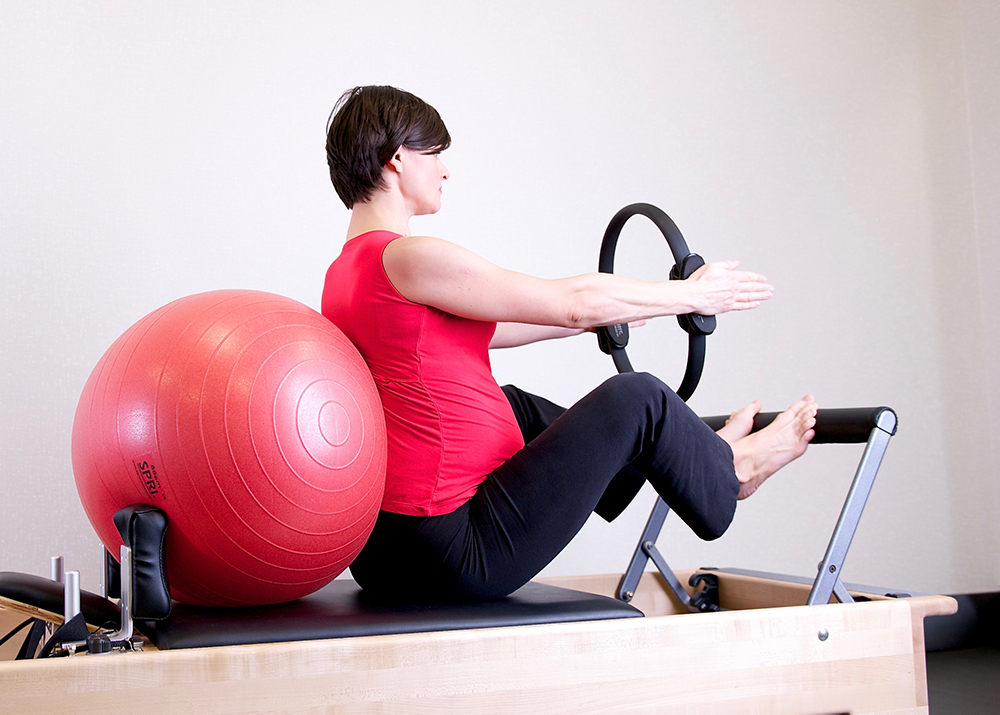
Some of the indoor workout routines that pregnant women can do include yoga, Kegels, and pelvic floor exercises. They can be done in a session that is 45 minutes long. It is necessary to always start by doing warm-ups before and cool downs after the workout. A quick swim and mildly-paced walking are ideal options for the outdoor exercises that are safe to do during pregnancy.

Things To Note Before Starting To Workout When Pregnant

Medical and health experts also point out the need for women to refrain from exercising during pregnancy if:

  • They have had a miscarriage or pre-term birth in the previous pregnancy.
  • They have health problems such as high blood pressure, anemia, or pre-eclampsia.
  • They have lung or heart problems.
  • The baby’s development has shown signs of concern, such as the unborn measuring small.
  • They are extremely underweight or overweight.

The Verdict

Exercising is essential for staying fit and healthy. Therefore, engaging in some physical activities safely is vital for expectant women and their unborn babies. It also lowers severity and the odds of experiencing pregnancy niggles such as constipation, backaches, swelling ankles, and fatigue; it may just as well keep them at bay.

https://biokineticistcapetown.co.za/wp-content/uploads/2019/10/Exercising-During-Pregnancy-Is-Safe-And-Keeps-You-And-The-Baby-Healthy-Biokineticist-Cape-Town.jpg 669 1002 BCT-Admin https://biokineticistcapetown.co.za/wp-content/uploads/2019/10/BIO-LOGO.jpg BCT-Admin2012-11-14 10:49:402026-10-29 12:46:34Exercising During Pregnancy Is Safe And Keeps You And The Baby Healthy

Pages

  • About Us
  • Blog
  • Contact Us
  • Home
  • Services

Categories

  • Body Strength
  • Health tips
  • Healthy diet
  • Training

Archive

  • October 2026
  • June 2024
  • March 2023
  • October 2019
  • November 2012

About Us

Welcome to Biokineticists Cape Town, where you will find all the blogs and articles about exercise and rehabilitation. Do you want to improve your physical health status and quality of life through individualized assessment and exercise prescriptions? You have come to the right place.

Pages

  • About Us
  • Blog
  • Contact Us
  • Home
  • Services
© Copyright - Biokineticist Cape Town - built by Storyteller Design
Scroll to top Scroll to top Scroll to top